Enhance Your Vehicle: The Essential Resource to Car Wrapping Offerings
Car wrapping has emerged as a well-established method for automobile modification. This innovative process allows for customization while offering safeguarding for the factory finish. With many options available, individuals can obtain unique aesthetics without the lasting impact of conventional painting. However, understanding the intricacies of car wrapping, including application and care, is vital. What makes this service appealing, and how can one guarantee a successful wrap? The answers lie in examining the details further.
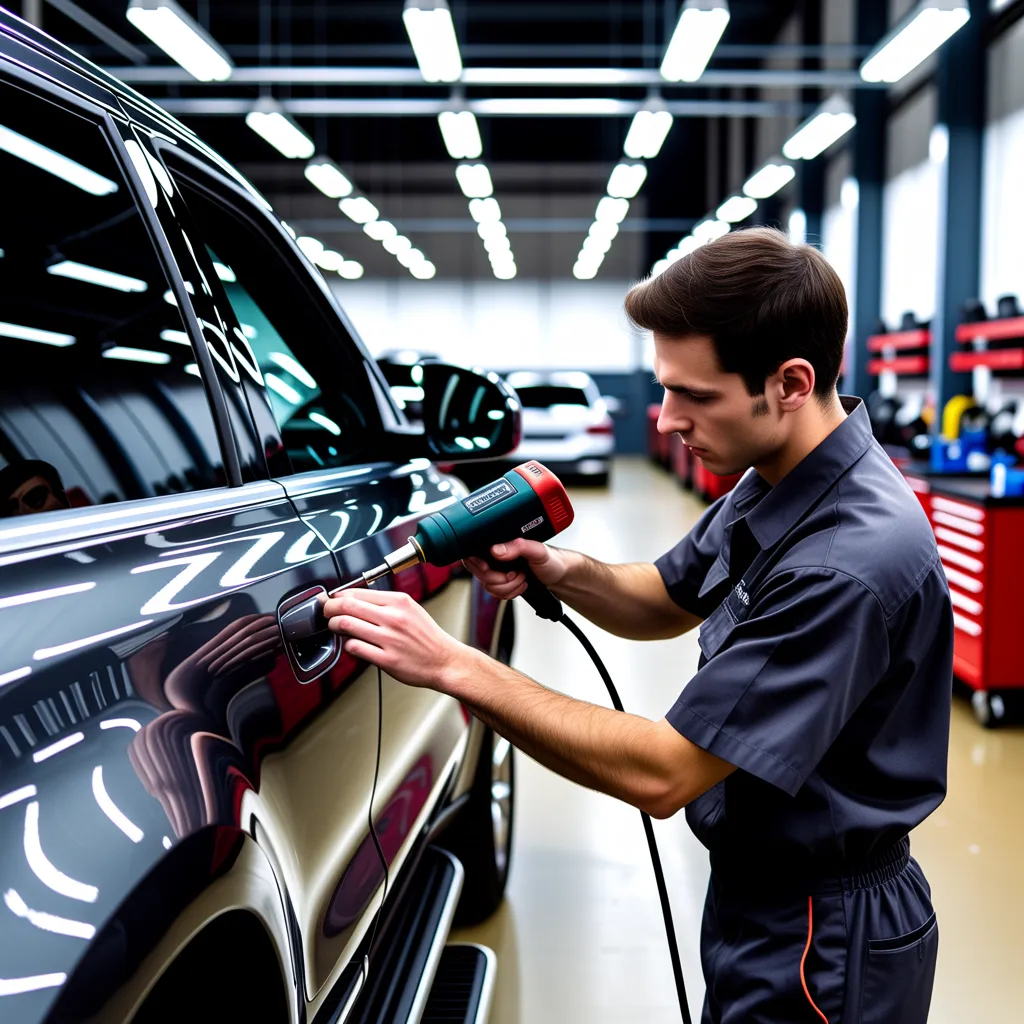
How Can Car Wrapping Operate and What Is It?
Car wrapping is a innovative process that involves applying a resilient vinyl film over a vehicle's original paint. This method allows for a wide range of colors, textures, and finishes, enabling owners to customize their vehicles without the permanence of traditional paint. It starts with a detailed cleaning of the vehicle’s surface to ensure proper adhesion. Next, the vinyl film is carefully measured and cut to fit each section of the car. Expert technicians apply the film next, utilizing specialized tools to eliminate air bubbles and ensure a flawless finish. The film material is flexible by design, allowing it to conform to the vehicle’s shapes and curves. Once installed, the film endures for years with adequate care, delivering a protective layer that defends against scratches and UV damage. In summary, car wrapping acts as an innovative option for enhancing aesthetics and protecting vehicles.
Benefits of Car Wrapping Instead Of Traditional Painting
Selecting car wrapping instead of conventional paint jobs provides numerous advantages that appeal to vehicle owners. One major benefit is the flexibility of design; wraps can easily be customized with colors, patterns, and textures, allowing for distinctive personalization. Additionally, car wraps can be applied in a portion of the time it takes to paint a vehicle, minimizing downtime for owners.
Durability is an additional benefit; premium wraps are resistant to UV rays, scratches, and environmental elements, often lasting several years with proper care. In contrast, traditional paint can deteriorate and lose color more easily.
Also, car wrapping is reversible, enabling owners to transform their vehicle's exterior without permanently altering the original paint, which can help copyright resale value. Finally, wraps are often more cost-effective than a full paint job, presenting them an appealing option for those seeking to improve their vehicle's visual appeal without spending too much.
Options in Car Wraps Accessible for Your Vehicle
When thinking about car wraps, multiple choices are available to match individual preferences. Vinyl wraps provide a variety of hues and textures, while specialty wraps offer unique designs for a impressive look. Additionally, the selection between flat and shiny finishes can significantly impact the overall aesthetic of the vehicle.
Vinyl Overlay Varieties
There is a broad range of vinyl wrap options for vehicle personalization, each tailored at different stylistic preferences and functional needs. Standard wraps generally have a glossy or matte finish, providing a refined look. Satin wraps combine the two finishes, offering a soft sheen that complements the vehicle's profile. For those seeking a unique appearance, textured wraps like carbon fiber or brushed metal emulate premium materials, introducing depth and sophistication. Color-changing wraps provide flexibility, enabling vehicles to shift hues depending on the light angle. Additionally, solid color wraps offer a eye-catching appearance, while digital prints allow detailed patterns and graphics. Each choice enhances not only the vehicle’s look but also protects the original paint.
Specialty Wrap Alternatives
Beyond standard vinyl options, custom wraps provide unique choices for vehicle customization that suit individual tastes and particular needs. These wraps feature chrome coatings, which provide a reflective, mirror-like effect, perfect for those seeking a bold statement. Carbon fiber coverings replicate the appearance of real carbon fiber, contributing a sporty touch while remaining lightweight and durable. Additionally, textured wraps, such as brushed metal or leather surfaces, allow for a tactile experience that sets a vehicle from others. For marketing purposes, custom graphic wraps enable businesses to showcase their brand identity successfully. Each custom covering not only improves the vehicle's aesthetic but also safeguards its original paint, rendering them a sensible option for numerous automotive fans.
Matte vs. Gloss Coating
In what ways do matte versus gloss finishes contrast in vehicle wrapping? Matte surfaces yield a non-reflective, restrained presentation, appealing to those seeking a sophisticated, modern aesthetic. This texture can hide defects and is less prone to displaying marks, making it favored among car enthusiasts. However, matte finishes require tailored care to maintain their appearance and can be more vulnerable to scratches.
By comparison, shiny coatings deliver a shiny, vibrant look, enhancing colors and giving vehicles a polished, eye-catching effect. This type casts light, making it excellent for highlighting intricate designs or logos. While gloss wraps are easier to clean and maintain, they may display imperfections more readily. Finally, the choice between matte and gloss depends on personal preferences and desired aesthetics.
Car Wrapping Installation Guide: What to Look For
Vehicle wrapping installation changes a car's look with precision and care. Initially, the vehicle is completely washed to eliminate any dust, oils, or particles that could impact adhesion. Technicians then inspect the surface for imperfections, confirming a even finish.
Once prepared, the chosen vinyl wrap is carefully measured and cut to fit the vehicle's contours. During the application phase, the wrap is applied using professional-grade equipment to prevent air bubbles and wrinkles. This process requires attention to detail, as each section must align perfectly with adjacent parts to create a seamless finish.
When the wrap is applied, extra material is shortened, and the edges are securely tucked in or sealed. A final inspection is conducted to ascertain that every area meets quality specifications. This meticulous approach guarantees a stunning transformation that boosts the vehicle's visual appeal while providing a protective layer.
Maintenance Guidelines for Keeping Your Car Wrap Staying Fresh
To maintain a car wrap, ongoing care is required to preserve its vibrant and new look. Routine washing is essential; washing by hand with mild soap and a soft applicator helps prevent scratches that can damage the vinyl. Steering clear of automatic car washes with brushes is preferred, as they cause friction and may lead to peeling.
Additionally, using a UV protective coating can shield the wrap from sun damage, maintaining its colors. Parking in shaded areas or employing protective covers can additionally decrease contact with damaging UV radiation. For tough marks, a gentle solvent formulated for vinyl wrap care may be used, but one should test it on a small area first.
Regular examinations for any wear indicators, such as lifting edges or pockets of air, allow for prompt repairs, ensuring the wrap remains intact. Following these upkeep suggestions will substantially increase the lifespan and appearance of a car wrap, preserving it maintaining its pristine condition.
How Can You Locate Reliable Car Wrap Services in Your Area?
Pinpointing trusted car wrapping services can greatly enhance the endurance of a vehicle's wrap. To identify reliable businesses, individuals should begin with checking digital ratings and ratings on platforms like Google, Yelp, or social media. These networks often feature user reviews that highlight service quality, professional standards, and technical skill.
Moreover, soliciting recommendations from personal connections who have previously used car wrapping services can give useful information. It is also beneficial to check out local auto shows or car clubs, where professionals often present their work.
After a shortlist is created, would-be customers should request rates and work samples to assess the merit of previous projects. Engaging in meaningful dialogue with service providers allows for discussions about their proficiency, technical specifications, and terms of coverage. Ultimately, extensive due diligence and personal referrals are essential for uncovering trustworthy car wrapping services that meet specific needs.
Learning about Cost Aspects of Car Wrapping
Understanding the cost elements for car wrapping requires several key elements. Quality of the materials greatly influences the total cost, while the complexity of the design can increase the expenditure. Additionally, installation labor expenses must be considered, as they vary based on the complexities of the wrap process.
The Significance of Material Quality
The quality of material plays an essential role in establishing the overall price of vehicle wrap solutions. Higher-quality vinyl films typically come with sophisticated characteristics such as improved longevity, UV resistance, and ease of application. These materials not only enhance the visual appeal but also prolong the life of the wrap, reducing the need for frequent replacements. In contrast, budget options may reduce upfront expenses but often result in quicker wear and fading, leading to additional expenses over time. Additionally, premium materials often demand specialized installation techniques, impacting labor costs as well. Consequently, the choice of material greatly influences both upfront investment and long-term value, making it a vital consideration for vehicle owners contemplating a wrap.
Design Intricacy Considerations
How does the sophistication of design influence the overall cost of car wrapping services? The intricacy of a vehicle's design strongly affects pricing. Straightforward designs, featuring solid colors or minimalistic artwork, typically incur lower costs because of decreased waste and easier application. In contrast, complex designs with intricate patterns, gradients, or multiple colors demand more time and skilled labor, resulting in higher costs. Additionally, the need for precise alignment and cutting can further boost expenses. Clients should also be aware of the potential for additional design revisions, as more complex visuals may require multiple drafts. Ultimately, understanding the relationship between design complexity and cost is vital for clients seeking to achieve their desired aesthetic while keeping their budget under control.
Labor Costs for Installation
Installation workforce costs constitute a significant portion of the overall expenses associated with car wrapping services. These charges may range widely according to several factors such as the design's intricacy, vehicle size, and installer skill level. For see now example, detailed designs or wraps that need extra trimming and modifications demand additional time and skill, leading to increased labor fees. Additionally, bigger vehicles usually lead to higher labor expenses because of the larger surface area and the extra time needed for installation. It’s important for potential customers to receive detailed cost breakdowns of labor and include them in their budgeting for car wrapping projects. Understanding these factors guarantees informed decision-making.
Frequently Discussed Inquiries
What Length of Time Should You Anticipate for a Car Wrap's Longevity?
A car wrap generally lasts between five to seven years, depending on factors such as environmental conditions, maintenance, and application quality. Proper care can prolong its lifespan, maintaining appearance and effectiveness over time.
How to Peel off a Car Wrap Yourself?
Yes, a car wrap can be removed by an person, although it requires cautious methodology to avoid damaging the vehicle's paint. Heat guns or adhesive removers may assist in the process for less difficult removal.
Can a Car Wrap damage My Vehicle's Paint?
A car wrap usually won't damage the vehicle's paint if applied and removed properly. However, improper installation or extended exposure can create adhesive problems, possibly impacting the paint below when removed.
Are warranty alternatives offered for vehicle wraps?
Yes, numerous car wrap companies provide warranty options that typically cover imperfections in materials and installation. Buyers must inquire into specific terms, such as duration and coverage, to ensure proper protection for their investment.
Can I wrap a leased vehicle?
Yes, a rented car can be covered, but it's crucial to review the lease agreement for any limitations. Proper removal is essential to avoid damage and guarantee adherence with return conditions set by the leasing company.